
About
We started with a question.
What would leadership development look like if it actually worked?
Well-designed, evidence-based, delivered by people who know their craft. Every one of those describes what goes in. We wanted to know what comes out six months later, when the program is over and nobody is checking. What would it look like if it held?
If you’ve watched someone come out of a coaching engagement still doing the same things they did before, you know what we’re pointing at. If you’ve run a leadership offsite and watched the insight evaporate on the flight home, you know.
Leaders show up differently six months later. Under pressure, with their teams, in the rooms that matter.
Teams that were stuck get unstuck and stay that way, because something underneath the stuckness shifted.
The organization can point at something real and say: that changed because of the investment we made.
Not workshop ratings. Not engagement scores. Not the glow at the end of day three.
Bryan Miles and Justin Jennessee founded MaestroVox Advisors to answer that question in practice.
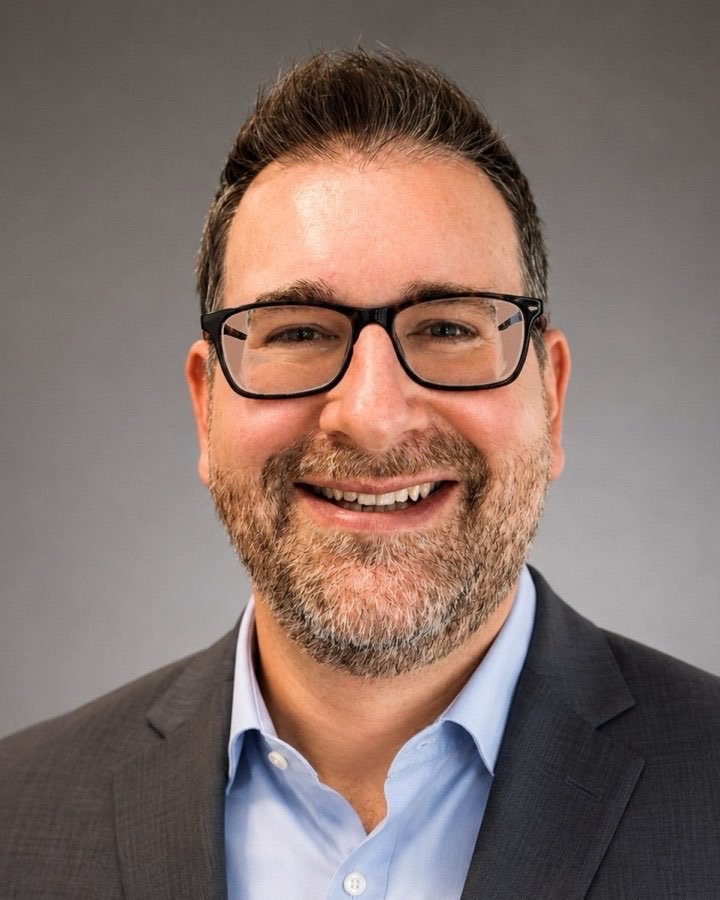
“I’ll be honest with you about something most people in this field won’t say: I don’t think most leadership development works.”
Bryan Miles
Co-founder · Executive coaching & leadership development
I’ve spent 25+ years designing and delivering it. I’ve coached 100+ executives and led large-scale programs inside commercial organizations, healthcare systems, and mission-driven nonprofits. And I’ve watched the conventional approaches fall short in the same predictable ways, over and over.
Why does a leader come out of a great coaching session changed, and revert to old patterns inside of two weeks? That question kept getting more interesting the longer I sat with it. It led me to a body of research most of this industry has glossed over: developmental psychology, skill acquisition, the science of how adults grow their thinking under real conditions.
I’m also a classically trained musician: Peabody Preparatory, then George Mason, then graduate study at the University of North Texas. Music taught me what deliberate practice looks like when it builds real skill rather than familiarity with the material. I’ve spent my career translating that discipline into how organizations grow their leaders.
- PCC · ORSCC · Certified Lectical Consultant · PMP
I was one of the youngest managers they’d ever put in the role, and I had guys with twenty years going around me to my boss: who is this kid? Bryan asked me two questions I haven’t shaken. First: somebody chose to put you in this seat over people with more experience. What did they see? Then the harder one: do you believe them? He’d noticed that ‘who is this guy’ wasn’t just coming from my team. It was my own voice too.
Plant Director · Manufacturing
“People bring me a problem, and it’s almost never the real one. My job is to find the one underneath, say it out loud, and stay in the room until it’s fixed.”
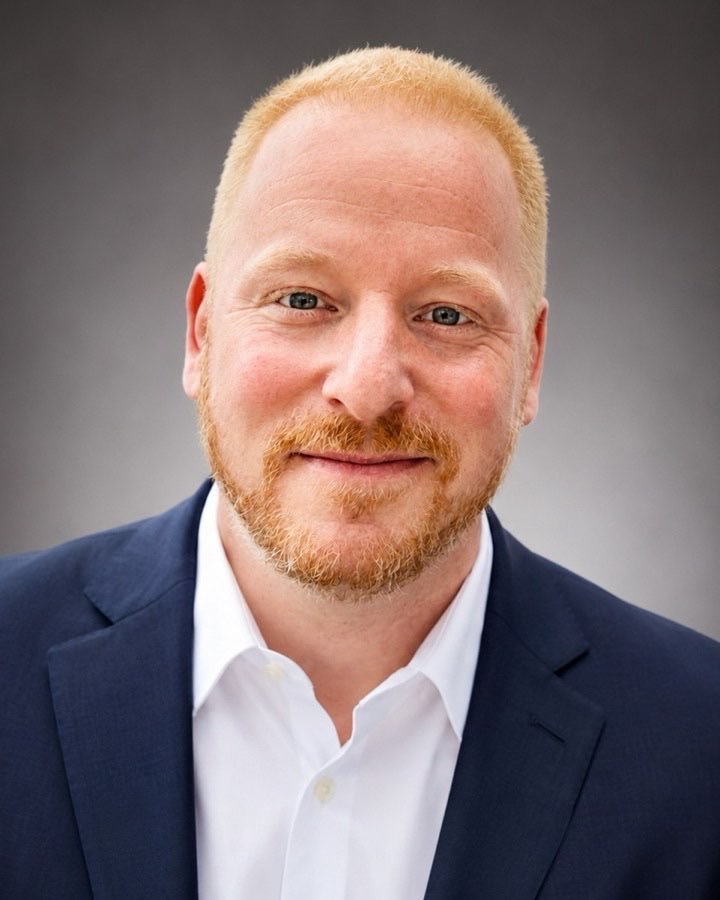
Justin Jennessee
Co-founder · Operations & team coaching
A team is underperforming and no one can agree on why. A system looks clean on paper and breaks under load. A leader is technically strong and something still isn’t landing with the people around them. That’s when Justin gets the call.
He spent more than twenty years in retail and luxury brand operations, holding senior roles across the companies below: enterprise re-platforming, rebuilding team cultures that had come apart, and a reputation for finding the real problem underneath the one people were talking about.
RH · Apple · Mitchell Gold + Bob Williams · Coco Republic
A relationship-first leader with a systems thinker’s mind is a rare combination. At MaestroVox, Justin supplies the operational and relational clarity that gives the developmental work something to stand on.
- Multi-unit retail & luxury brand operations leadership
- Strategic facilitator, leadership-team offsites
- Lean & service-design practitioner
Neither of us works like the other. That’s the point.
The developmental depth and the coaching rigor. 25+ years inside the research on how adults grow their thinking, paired with the discipline of someone trained from childhood in deliberate practice. He helps a leader see what they couldn’t see before, then turns that seeing into skill.
The operational clarity and the people instincts. Two decades inside multi-unit operations, leading teams through scale, downturn, and turnaround. He sees the system underneath the symptom, and he stays with it until it does.
Most engagements reveal two problems: what the leaders need to develop, and what the systems around them need to change. Firms tend to pick a lane. Ours is built to run both, and that is what makes capability last after we leave.
We don’t take every engagement. Here’s how we decide.
The leader is willing to do the work.
Practice means working the same patterns in real conditions, getting them wrong, adjusting, and going again. When that willingness is missing, we’re slow to say yes.
There’s a specific developmental need.
Engagements driven by a calendar (“we need leadership development this quarter”) rarely produce change. Someone has to be in genuine pursuit of something.
There’s enough time for the work to hold.
Workshops and offsites open the conversation. The arc that builds durable skill runs six months minimum for a leader, four to nine for a team.
Success is measured in behavior.
What holds under pressure six months after we leave. Different work, different standard.
Let’s see if yours is one of them.
Thirty minutes with Bryan is usually enough to know whether we’re the right partner. If we are, you’ll have a proposed path within the week.