

Learning about leadership is the easy part. We work on the hard part.

MaestroVox is an executive coaching and leadership development firm founded by a musician. We build leadership the way musicians build technique: deliberate practice inside your real work, honest playback, and change other people can see.

3 hands, out of 135.

Everyone in the room had studied leadership. Three had practiced it.

“A few years ago I stood in front of 135 leaders with my instrument and asked who had read a leadership book, watched a talk, or sat through a class in the past year. Every hand went up, mine included.

Then I played one passage the way I’d work it alone in a practice room: slowed down, one correction at a time. I asked who had practiced a leadership skill that way. Three hands.

We know more about leadership than any generation before us, and we practice it like beginners. Closing that gap is the whole of our work.”

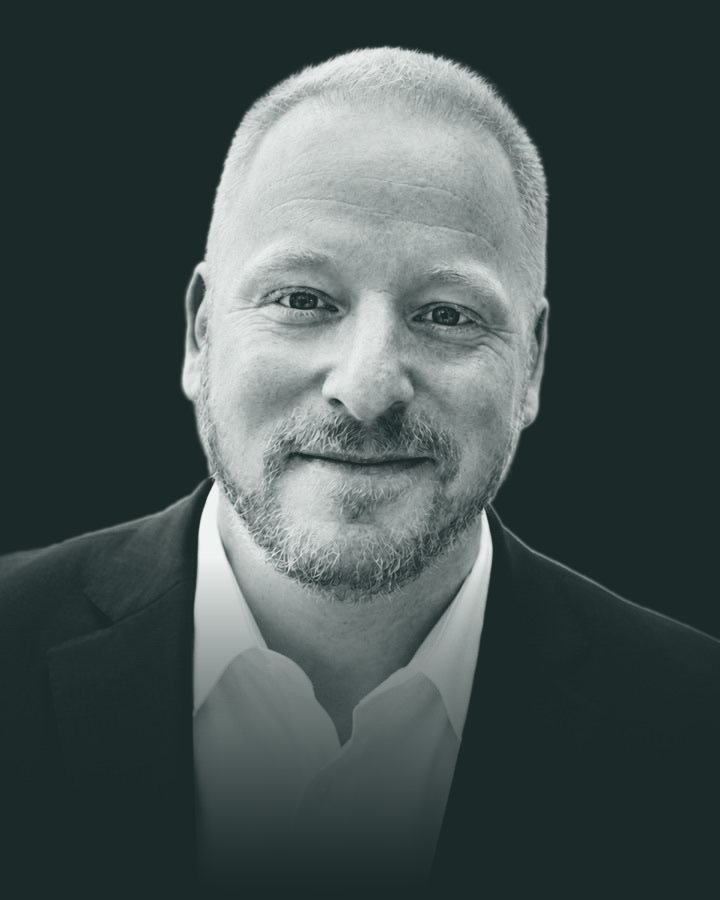
Bryan Miles, co-founder

What about AI coaching?

Use it. It’s good for learning a framework or thinking out loud at midnight. But it only knows what you tell it, and the habits holding you back are the ones you can’t hear well enough to describe. A coach listens for those and says them to you plainly. Then we stay with you while you practice the fix in your real meetings, until your colleagues can see the difference.

Leaders have never had a practice room. We build one.

A musician has a teacher who hears what she can’t hear yet, a practice room where mistakes are cheap, and an audition date that makes the reps non-optional. Leaders are expected to improve with none of it, in meetings where everyone is watching. We give you the coach, the practice room, and the deadline, built around the work you’re already doing.

The problem you call about is rarely the one that needs solving. We find the one underneath and give you our read in writing. Leaders start with the Leadership Decision Making Assessment (LDMA), a validated measure of how you reason through complex decisions. Teams start with a confidential conversation with each member.

We turn the diagnosis into a plan: a small number of skills to build, the order to build them in, a framework for how to do each one, and the real meetings and decisions where you’ll practice it.

Every session ends with one specific thing to try in your real work before the next one, and a simple loop for practicing it: set a goal, seek information, apply it, and reflect. Small enough to do on a Thursday, and specific enough that you know whether you did it. People can do more with support than they can alone, so we stay beside you until the new skill holds.

We set a baseline at the start, so there is something to measure against. At the midpoint and the close, we name what changed on the job, what didn’t, and why. We can also rerun the LDMA to track real developmental progress.

“I’d been complaining about not being in the in club, and Bryan flipped it: you’ve got an education background, stop trying to get invited in and start teaching up. Now I teach up in our leadership meetings, and I get brought into decisions early.”
Frank C., Vice President

What changed at a regional health system

They asked for coaching. The diagnostic found a skills gap at three levels of leadership, so we coached all three at once. By the close:

  • Managers stopped absorbing the transition for their teams.
  • Leaders in new roles were making calls at their new scope without escalating them.
  • Senior executives could name the pattern keeping them in place.
Read the case

Start with
30 minutes

Bring the problem as it is. You’ll leave with our honest read of it, whether or not we work together.

Or send a note. One of us will reply.

What happens on the call

  • You tell us what’s going on, in your own words.
  • We ask about the people, the stakes, and what you’ve already tried.
  • You get our read on the real problem, and a straight answer on whether we’re the right fit.